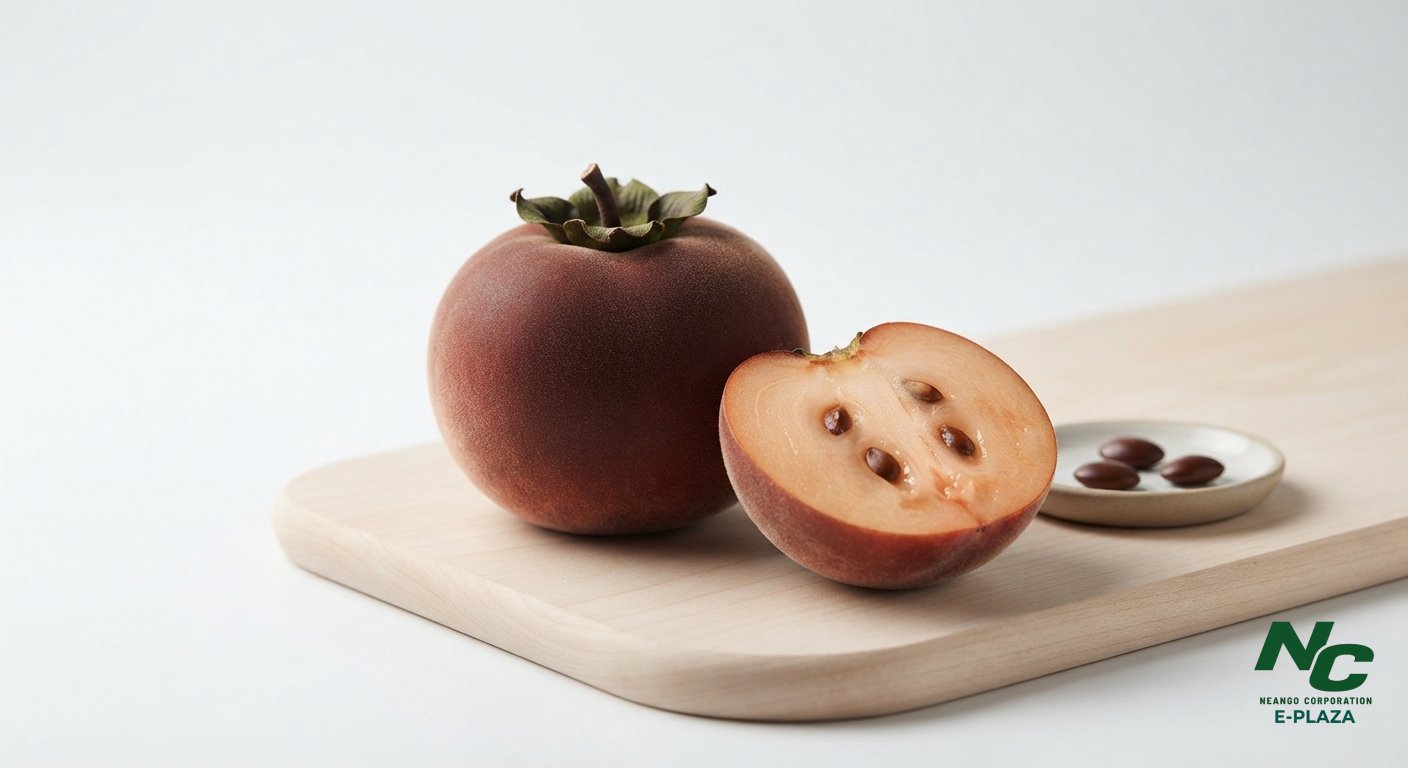
Fresh Velvet Apple (Mabolo / Bilas / Gab) | Premium Exotic Fruit
Brand: Velvet Apple | Model: Velvet Apple
৳500.00 ৳700.00
Save 29%
Weight: 5.00 kg
Select Variant: *
The fresh velvet apple, scientifically recognized as Diospyros discolor and widely referred to across tropical landscapes as mabolo, bilas, gab, or the butter fruit, represents an extraordinary botanical treasure belonging to the broader persimmon and ebony family. Native to the lush evergreen rainforests of the Philippines and cultivated across various tropical regions in South and Southeast Asia, this unique underutilized fruit has captured the fascination of rare fruit collectors, culinary adventurers, and ethnobotanists alike. Unlike commercially standardized fruits found on mainstream supermarket shelves, the velvet apple retains a wild, heirloom charm defined by its striking exterior appearance, complex sensory profile, dense nutrient matrix, and rich history in traditional folk medicine.
The most immediately captivating characteristic of the velvet apple is its distinct outer morphology. The fruit typically grows to a size and shape comparable to a standard eating apple or a plump peach, featuring a rounded or slightly ovoid profile that matures from a soft, downy green into rich shades of golden-brown, deep maroon, and vibrant magenta. Its skin is entirely blanketed in a fine, microscopic, velvet-like fuzz or hair coating, which serves as the origin of its common English moniker. While this furry skin provides the fruit with its characteristic tactile appeal and protects the delicate interior during its developmental stages, it also contains volatile organic compounds and esters—such as specific butyrate compounds—that can produce a strong, pungent, cheese-like aroma when the fruit is fully ripe. This potent exterior scent often surprises first-time tasters, but it stands in striking contrast to the interior pulp, which remains completely free of the odor.
Beneath the fuzzy peel lies a dense, creamy-white to pale pinkish flesh that encases several large, hard, dark brown seeds arranged in a radial pattern. The texture of the inner pulp is exceptionally smooth, custard-like, and substantial, offering a mouthfeel that bridges the gap between a ripe peach, a crisp apple, and a rich tropical cream. When sliced open and peeled, the fruit reveals a mildly sweet, highly refreshing flavor profile underpinned by delicate, aromatic notes reminiscent of fresh strawberries, mellow bananas, and subtle floral undertones. Because the fruit is predominantly foraged from home gardens, small orchards, or wild woodlands rather than massive industrial monoculture plantations, each individual harvest exhibits subtle natural variations in sweetness, texture, and coloration, making consumption a genuinely bespoke gastronomic experience.
Nutritionally, the velvet apple is a powerhouse of essential vitamins, dietary minerals, and bioactive phytochemicals. Comprehensive biochemical analyses indicate that the fruit is exceptionally rich in vitamin C and vitamin A, acting as a potent natural source of antioxidants that combat oxidative stress, protect cellular integrity, and support optimal immunological function. The high concentration of carotenoids and antioxidant compounds contributes to skin vitality, vision preservation, and the mitigation of premature cellular aging. Furthermore, the fruit supplies a remarkable array of dietary minerals, featuring substantial reserves of potassium, calcium, phosphorus, iron, sodium, and magnesium. The generous potassium content functions effectively as a natural vasodilator, helping to regulate vascular tension, reduce arterial strain, and support balanced cardiovascular health. Concurrently, the natural presence of dietary fiber promotes a healthy, regulated gastrointestinal tract, assists in maintaining optimal cholesterol levels, and aids in preventing metabolic sluggishness.
Beyond its direct nutritional value, the velvet apple tree and its various anatomical components—including the leaves, bark, and unripe fruit juices—have occupied a foundational role in traditional medicinal systems throughout South and Southeast Asia. Indigenous herbalists historically utilized decoctions derived from the bark and leaves as natural astringents, cleansing washes, and remedies for localized skin irritations, eczema, and burns. In traditional practices across the Philippines and neighboring regions, extracts from the unripe fruit were frequently deployed to address gastrointestinal distress, including dysentery and chronic diarrhea, owing to the high concentration of natural tannins present in the latex-rich skin. Additionally, infusions and preparations have historically been referenced as supportive remedies for managing mild respiratory congestion, soothing coughs, and alleviating minor inflammatory conditions.
Beyond its agricultural and nutritional significance, the velvet apple tree—scientifically known as Diospyros blancoi or Diospyros discolor—is globally famous for its timber. The heartwood of the tree is extremely dense, dark, and durable, widely referred to in international trade as kamagong or Philippine ebony. This prized ironwood is traditionally utilized for crafting high-end furniture, decorative carvings, musical instruments, and heavy-duty tool handles, possessing a commercial value that historically overshadowed the agricultural harvesting of its edible bounty. However, in contemporary markets, consumer appreciation has shifted toward recognizing the tree's exceptional fruit-bearing potential, driving demand among specialty fruit enthusiasts seeking out rare biodiversity.
Preparing and enjoying the velvet apple requires a simple yet deliberate approach to ensure the best possible sensory experience. Because the outer skin carries the pungent, cheese-like aromatic compounds and the unpalatable fuzzy texture, culinary preparation always begins with washing the fruit thoroughly and utilizing a sharp knife to peel away the entire outer rind. Once the fuzzy exterior is discarded, the pristine white or cream-colored inner pulp can be sliced away from the central core and hard seeds. The fresh fruit can be consumed immediately as a refreshing raw snack, diced into vibrant tropical fruit salads, or paired gently with mild artisanal cheeses and light desserts to complement its creamy, custard-like consistency. To maximize shelf life and temper any residual strong aromas, harvested fruits are best kept at ambient room temperature until they yield softly to gentle pressure, after which refrigeration helps maintain their structural integrity, crisp moisture, and delicate sweet flavor profile.
The most immediately captivating characteristic of the velvet apple is its distinct outer morphology. The fruit typically grows to a size and shape comparable to a standard eating apple or a plump peach, featuring a rounded or slightly ovoid profile that matures from a soft, downy green into rich shades of golden-brown, deep maroon, and vibrant magenta. Its skin is entirely blanketed in a fine, microscopic, velvet-like fuzz or hair coating, which serves as the origin of its common English moniker. While this furry skin provides the fruit with its characteristic tactile appeal and protects the delicate interior during its developmental stages, it also contains volatile organic compounds and esters—such as specific butyrate compounds—that can produce a strong, pungent, cheese-like aroma when the fruit is fully ripe. This potent exterior scent often surprises first-time tasters, but it stands in striking contrast to the interior pulp, which remains completely free of the odor.
Beneath the fuzzy peel lies a dense, creamy-white to pale pinkish flesh that encases several large, hard, dark brown seeds arranged in a radial pattern. The texture of the inner pulp is exceptionally smooth, custard-like, and substantial, offering a mouthfeel that bridges the gap between a ripe peach, a crisp apple, and a rich tropical cream. When sliced open and peeled, the fruit reveals a mildly sweet, highly refreshing flavor profile underpinned by delicate, aromatic notes reminiscent of fresh strawberries, mellow bananas, and subtle floral undertones. Because the fruit is predominantly foraged from home gardens, small orchards, or wild woodlands rather than massive industrial monoculture plantations, each individual harvest exhibits subtle natural variations in sweetness, texture, and coloration, making consumption a genuinely bespoke gastronomic experience.
Nutritionally, the velvet apple is a powerhouse of essential vitamins, dietary minerals, and bioactive phytochemicals. Comprehensive biochemical analyses indicate that the fruit is exceptionally rich in vitamin C and vitamin A, acting as a potent natural source of antioxidants that combat oxidative stress, protect cellular integrity, and support optimal immunological function. The high concentration of carotenoids and antioxidant compounds contributes to skin vitality, vision preservation, and the mitigation of premature cellular aging. Furthermore, the fruit supplies a remarkable array of dietary minerals, featuring substantial reserves of potassium, calcium, phosphorus, iron, sodium, and magnesium. The generous potassium content functions effectively as a natural vasodilator, helping to regulate vascular tension, reduce arterial strain, and support balanced cardiovascular health. Concurrently, the natural presence of dietary fiber promotes a healthy, regulated gastrointestinal tract, assists in maintaining optimal cholesterol levels, and aids in preventing metabolic sluggishness.
Beyond its direct nutritional value, the velvet apple tree and its various anatomical components—including the leaves, bark, and unripe fruit juices—have occupied a foundational role in traditional medicinal systems throughout South and Southeast Asia. Indigenous herbalists historically utilized decoctions derived from the bark and leaves as natural astringents, cleansing washes, and remedies for localized skin irritations, eczema, and burns. In traditional practices across the Philippines and neighboring regions, extracts from the unripe fruit were frequently deployed to address gastrointestinal distress, including dysentery and chronic diarrhea, owing to the high concentration of natural tannins present in the latex-rich skin. Additionally, infusions and preparations have historically been referenced as supportive remedies for managing mild respiratory congestion, soothing coughs, and alleviating minor inflammatory conditions.
Beyond its agricultural and nutritional significance, the velvet apple tree—scientifically known as Diospyros blancoi or Diospyros discolor—is globally famous for its timber. The heartwood of the tree is extremely dense, dark, and durable, widely referred to in international trade as kamagong or Philippine ebony. This prized ironwood is traditionally utilized for crafting high-end furniture, decorative carvings, musical instruments, and heavy-duty tool handles, possessing a commercial value that historically overshadowed the agricultural harvesting of its edible bounty. However, in contemporary markets, consumer appreciation has shifted toward recognizing the tree's exceptional fruit-bearing potential, driving demand among specialty fruit enthusiasts seeking out rare biodiversity.
Preparing and enjoying the velvet apple requires a simple yet deliberate approach to ensure the best possible sensory experience. Because the outer skin carries the pungent, cheese-like aromatic compounds and the unpalatable fuzzy texture, culinary preparation always begins with washing the fruit thoroughly and utilizing a sharp knife to peel away the entire outer rind. Once the fuzzy exterior is discarded, the pristine white or cream-colored inner pulp can be sliced away from the central core and hard seeds. The fresh fruit can be consumed immediately as a refreshing raw snack, diced into vibrant tropical fruit salads, or paired gently with mild artisanal cheeses and light desserts to complement its creamy, custard-like consistency. To maximize shelf life and temper any residual strong aromas, harvested fruits are best kept at ambient room temperature until they yield softly to gentle pressure, after which refrigeration helps maintain their structural integrity, crisp moisture, and delicate sweet flavor profile.
| Product Type | Fresh Velvet Apple (Mabolo / Bilas / Gab / গাব ) |
|---|---|
| Condition | Fresh, Whole & Sliced Options |
| Storage Instructions | Keep at room temperature until fully ripe, then refrigerate to extend freshness |
| Packaging | Protective, Eco-Friendly E-Commerce Packaging |
| Category | Fresh Food |
| Food Name | Velvet Apple / Gab |
Write a Review
Customer Reviews
No reviews yet. Be the first to review this product!